
How to Control Bearing Seats and Precision Bores
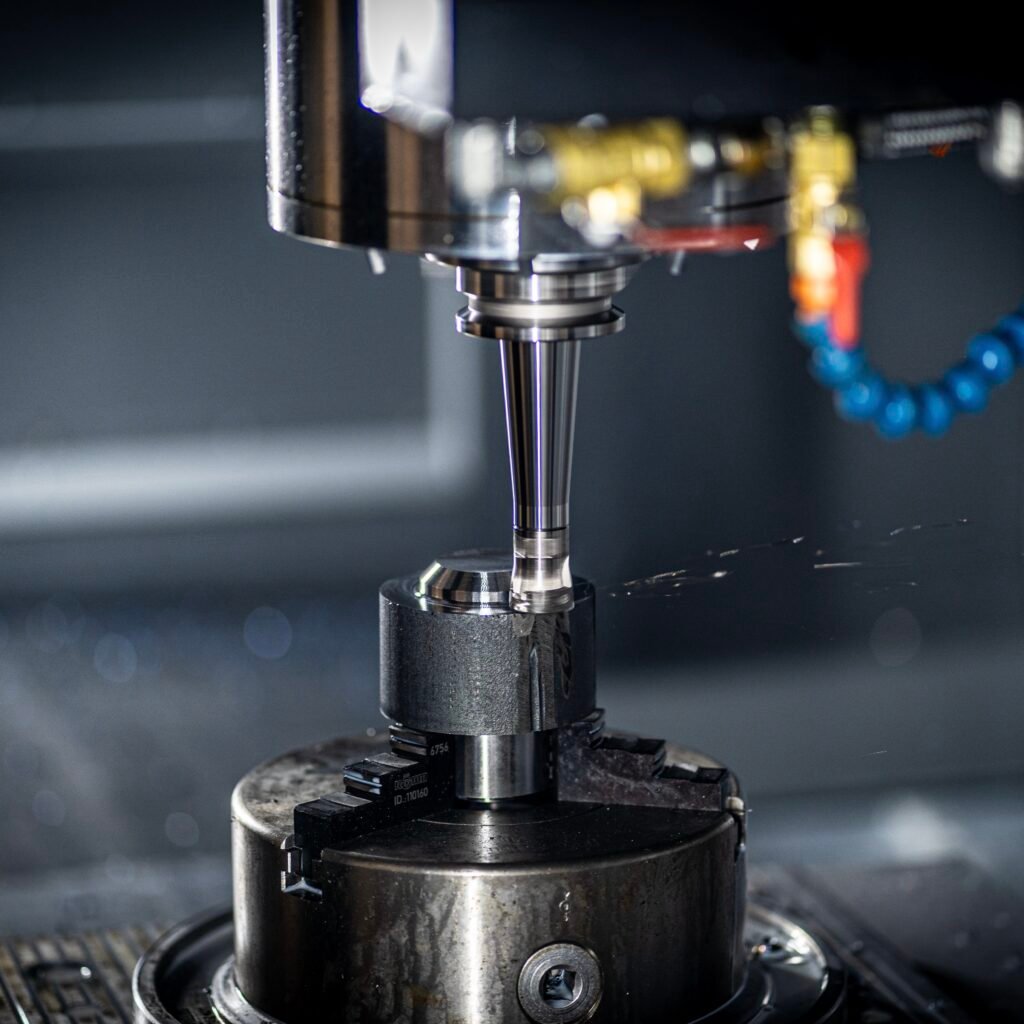
Bearing seats are among the most critical features found in aluminum housings, spider arms, motor end covers and appliance components. Their dimensions influence bearing fit, alignment, operating noise and service life. The process begins with a stable machining reference. The casting must be positioned consistently so that the bearing bore remains aligned with related mounting […]
Understanding Machining Allowances on Aluminum Castings
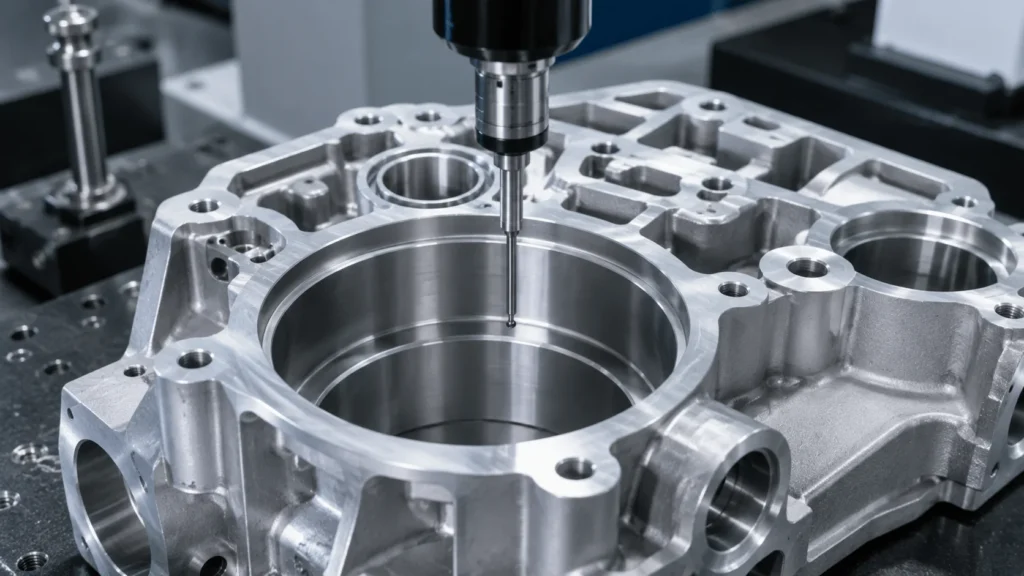
Machining allowance is the additional material intentionally left on a casting so that precision features can be finished by CNC machining. The correct allowance provides enough material for cleanup without adding unnecessary machining time. Too little allowance creates a risk that the cutter will not fully remove the original casting surface. This may leave uneven […]
How High-Vacuum Die Casting Helps Reduce Porosity
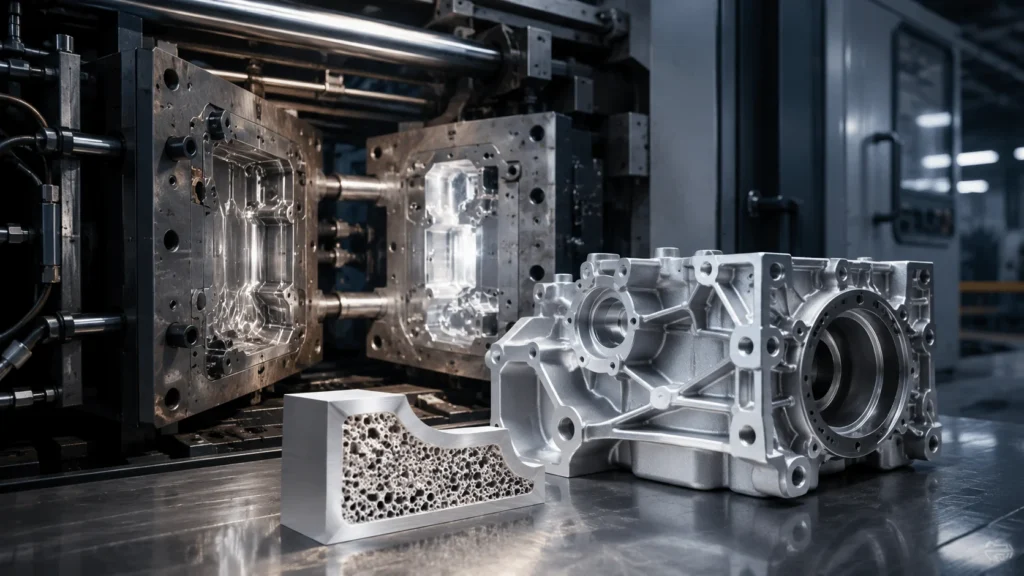
Porosity is a common concern in aluminum die casting. It may be caused by trapped air, gas inside the molten aluminum or shrinkage during solidification. Depending on its location and severity, porosity can influence strength, machining quality, sealing performance and surface finishing. High-vacuum die casting removes more air from the mold cavity before and during […]
Design for Manufacturing Guidelines for Aluminum Die Cast Parts
A successful aluminum die casting project begins before the mold is manufactured. Design for manufacturing, commonly known as DFM, helps engineers identify potential production risks while the component design can still be adjusted efficiently. Wall thickness is one of the first areas to review. Large variations in section thickness may cause uneven cooling, shrinkage or […]
Strengthening Manufacturing Capacity for Future Growth
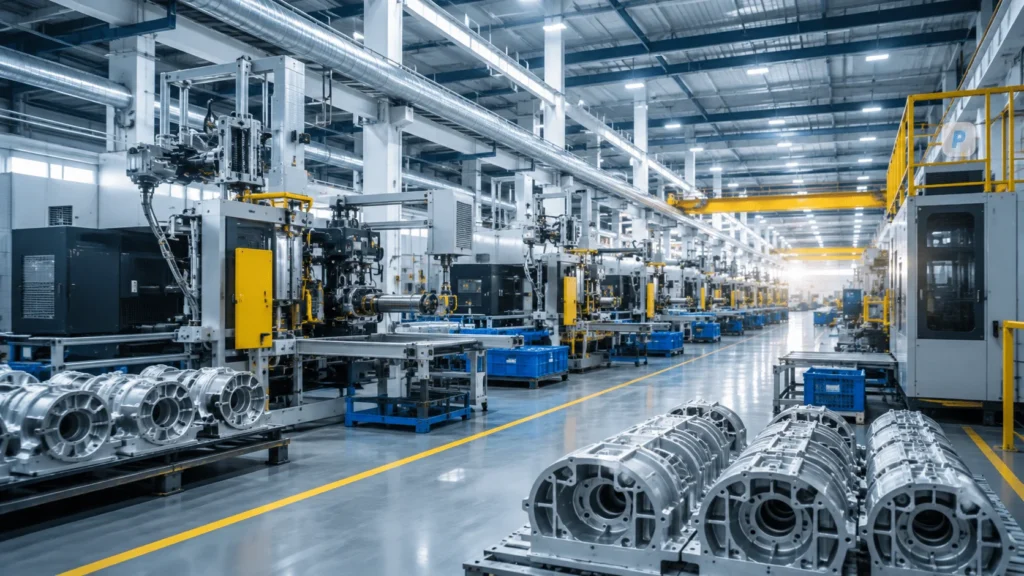
As customer projects grow in volume and complexity, manufacturing capacity must develop alongside them. Additional production space, broader equipment coverage and stronger process coordination are important for supporting long-term supply programs. Capacity growth is not simply about installing more machines. Production planning, tooling management, material flow, machining capacity, inspection resources and employee training must develop […]
Why Mold Management Is Essential for Repeat Production
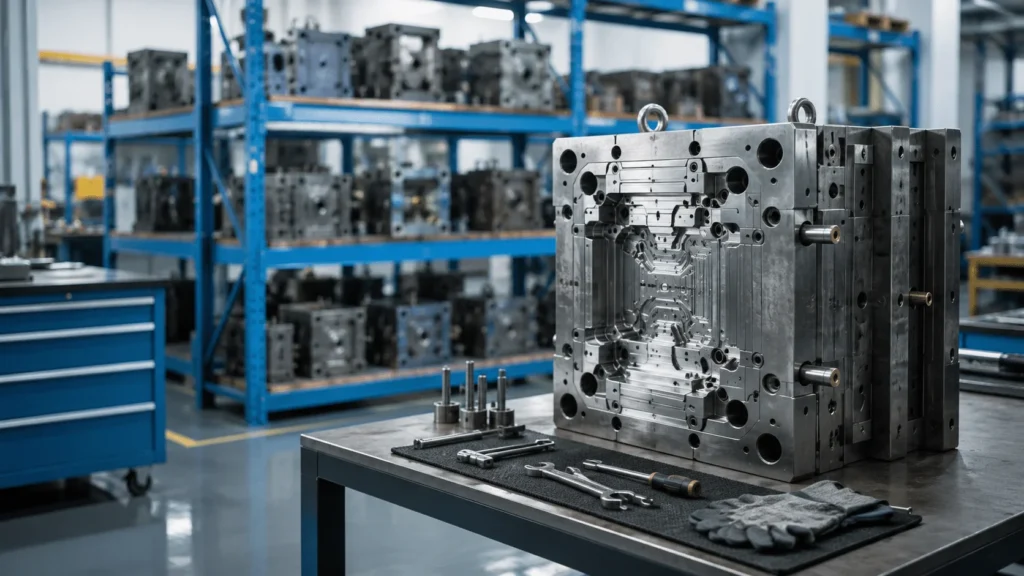
A die-casting mold is a long-term production asset. Its condition directly affects component dimensions, surface quality, production stability and cycle time. After production, molds should be cleaned to remove aluminum residue, lubricant and contamination. Important surfaces, slides, ejector systems and cooling connections must be inspected before the tool is placed into storage. Rust prevention is […]
Building Quality into Every Stage of Production
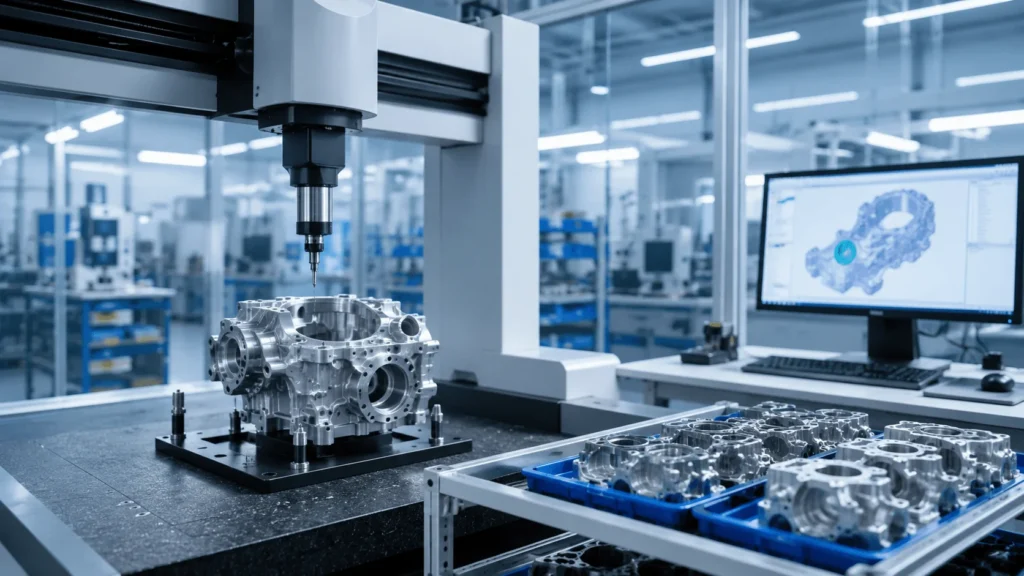
Quality inspection should not begin only after production is complete. For precision aluminum components, quality must be controlled throughout the complete manufacturing process. Incoming quality control verifies raw materials before they enter production. Material composition and supplier documentation can be reviewed to reduce the risk of using unsuitable aluminum or other production materials. During casting […]
Custom Balance Weight Solutions for Appliance Applications
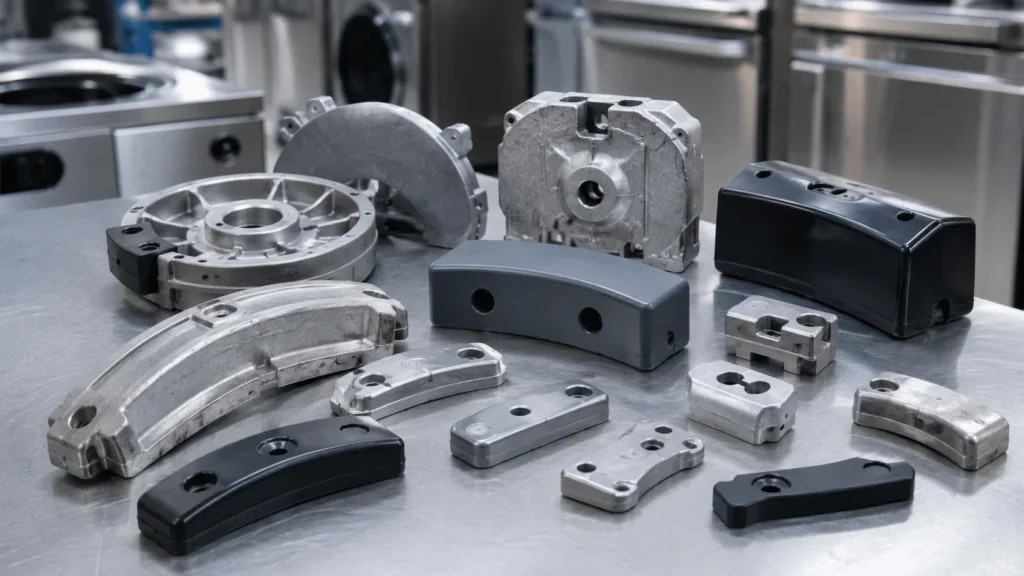
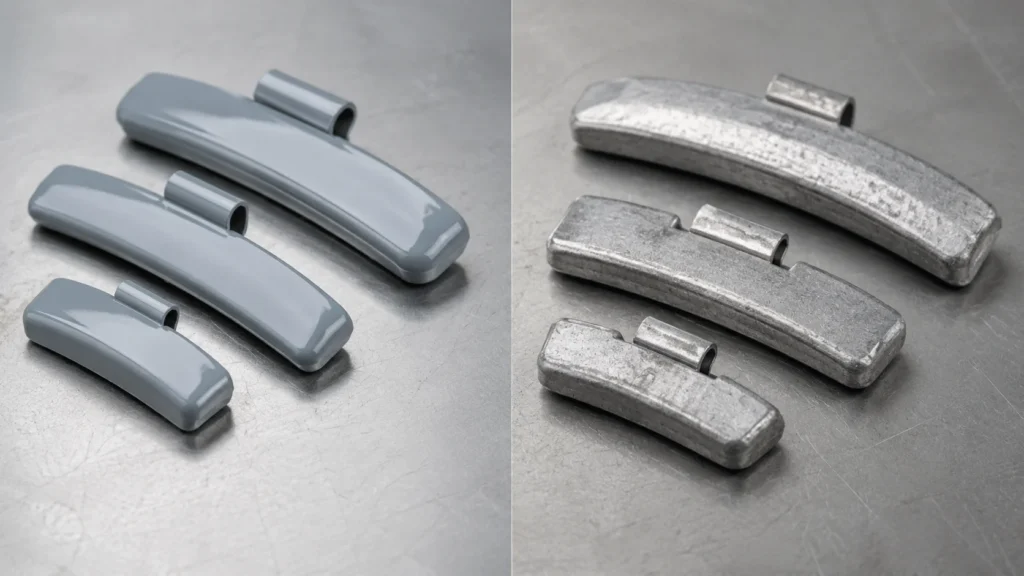
Balance weights are widely used in washing machines, dryers and other equipment containing rotating or moving assemblies. Their purpose is to improve weight distribution, reduce vibration and support stable operation. The required balance weight depends on the equipment structure, available installation space, operating speed and target mass. For this reason, many projects require a customized […]
Engineering Dryer Air Duct Assemblies for Better Airflow
A dryer air duct assembly plays an important role in directing heated air through the drying system. Its internal structure can affect airflow efficiency, operating noise, temperature distribution and overall appliance performance. Because airflow paths are often complex, product development should begin with structural analysis and airflow evaluation. Computer-aided engineering can be used to review […]
Precision CNC Machining After Aluminum Die Casting
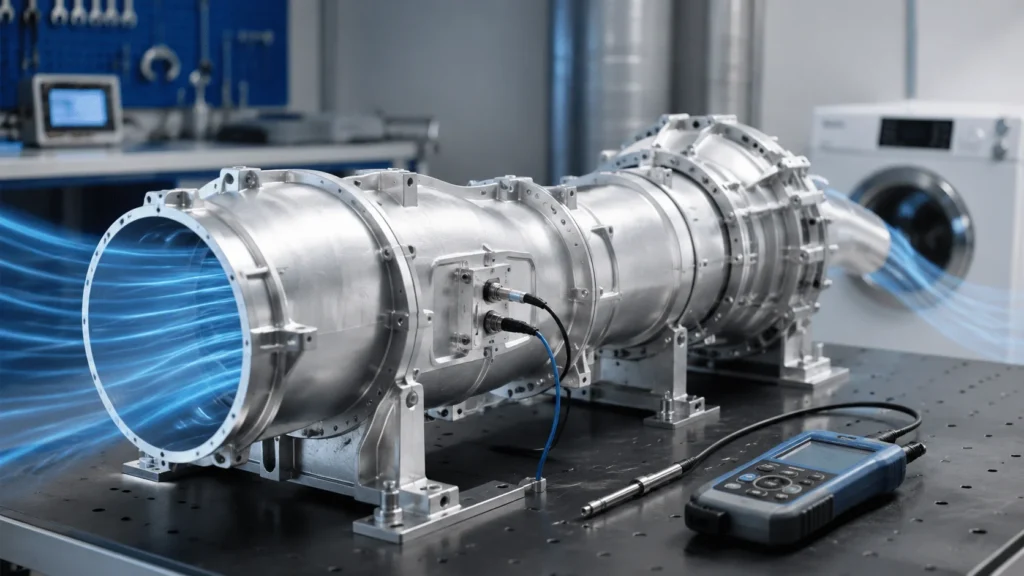
Die casting is highly efficient for producing complex aluminum shapes, but many components still require precision machining before they can be assembled. CNC machining is commonly used for bearing seats, datum surfaces, threaded holes, positioning slots, stepped bores and sealing interfaces. These features often require tighter tolerances than the casting process alone can provide. The […]