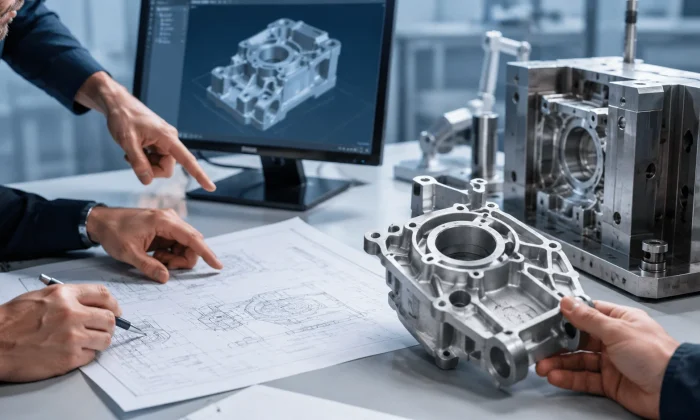
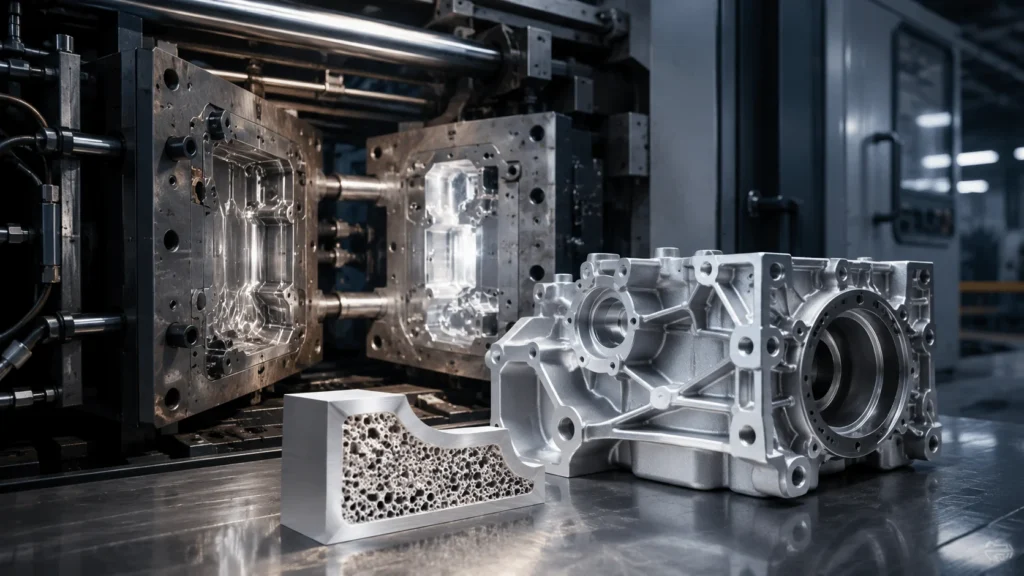
A successful aluminum die casting project begins before the mold is manufactured. Design for manufacturing, commonly known as DFM, helps engineers identify potential production risks while the component design can still be adjusted efficiently.
Wall thickness is one of the first areas to review. Large variations in section thickness may cause uneven cooling, shrinkage or deformation. A more consistent structure helps molten aluminum fill the cavity smoothly and supports predictable solidification.
Draft angles are also important because the casting must be released from the mold without damaging delicate surfaces. Ribs can improve component stiffness, but excessively thick rib intersections may create local hot spots and increase the risk of internal defects.
Engineers should clearly distinguish between as-cast surfaces and machined features. Bearing seats, sealing faces, threaded holes and precision locating surfaces usually require machining allowances. These areas should be accessible to cutting tools and supported by suitable clamping points.
Datum selection should also be considered early. The casting and machining teams need stable reference surfaces so that related holes, bores and mounting features can be controlled consistently.
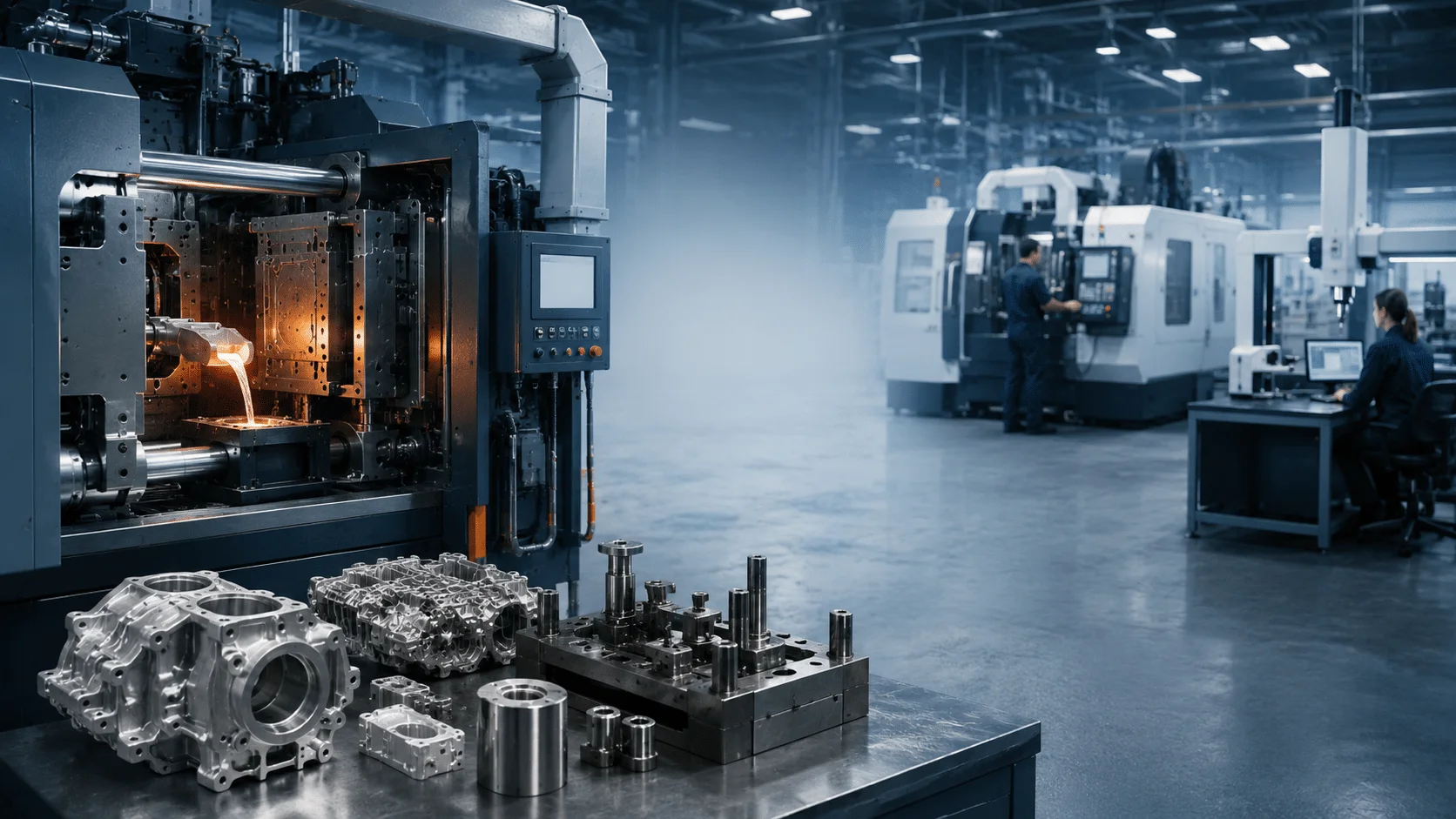
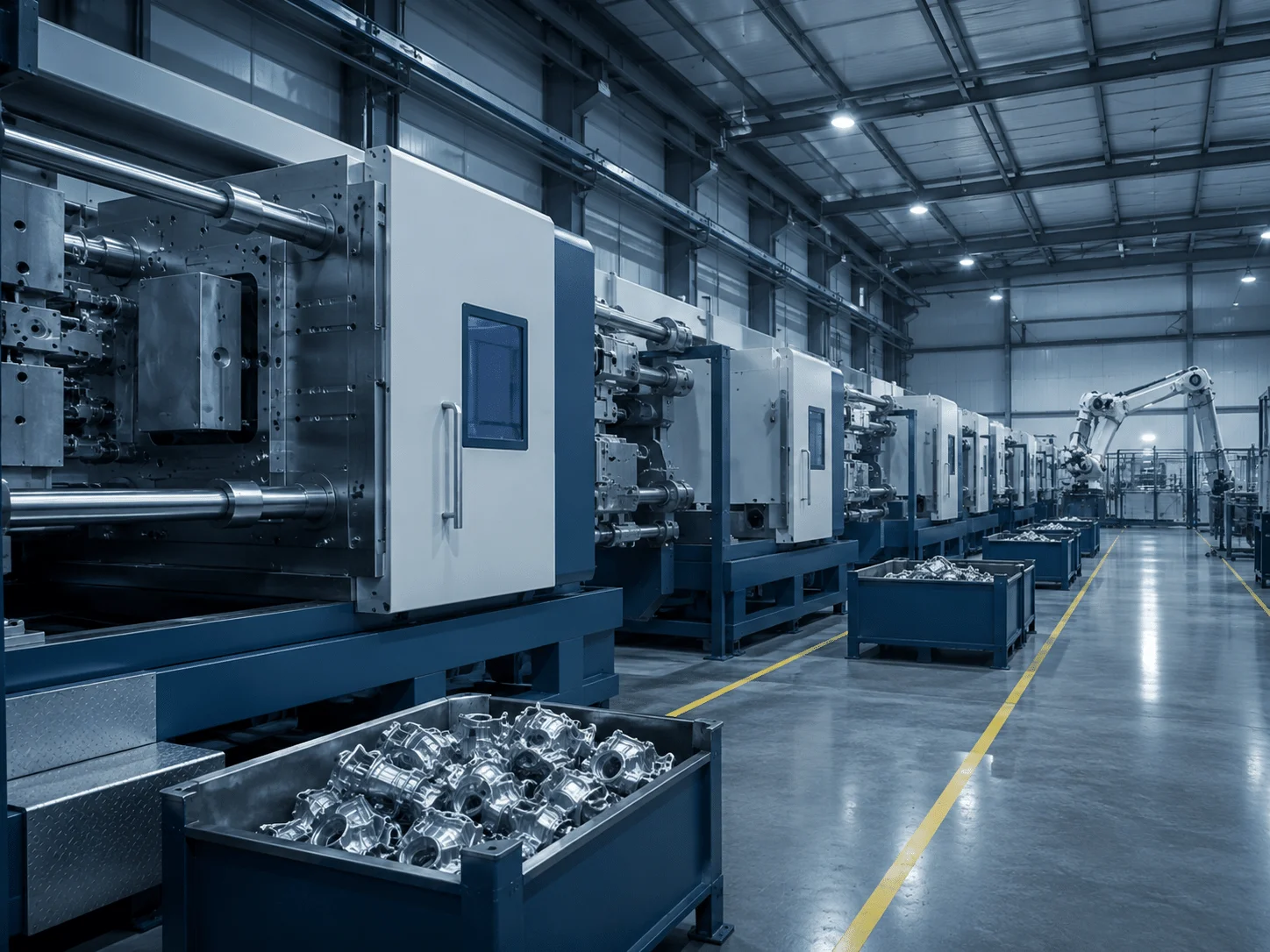
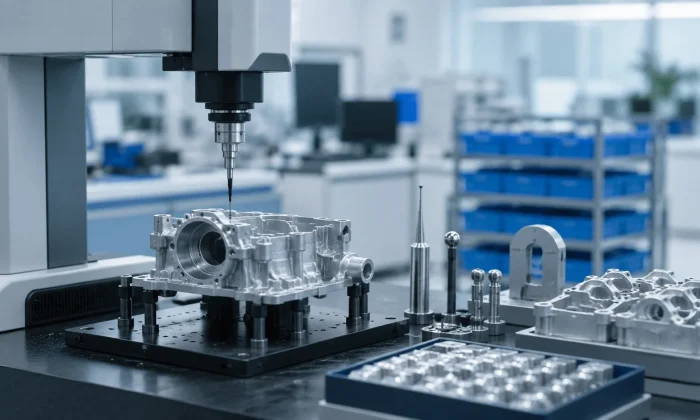
A DFM review connects product design with mold development, die casting, CNC machining and inspection. Early collaboration can reduce tooling modifications, shorten validation time and improve the stability of mass production.
Our integrated process covers design optimization, mold development, die casting, precision machining, surface treatment and final inspection. This allows manufacturing risks to be reviewed across the complete production chain rather than at only one stage.