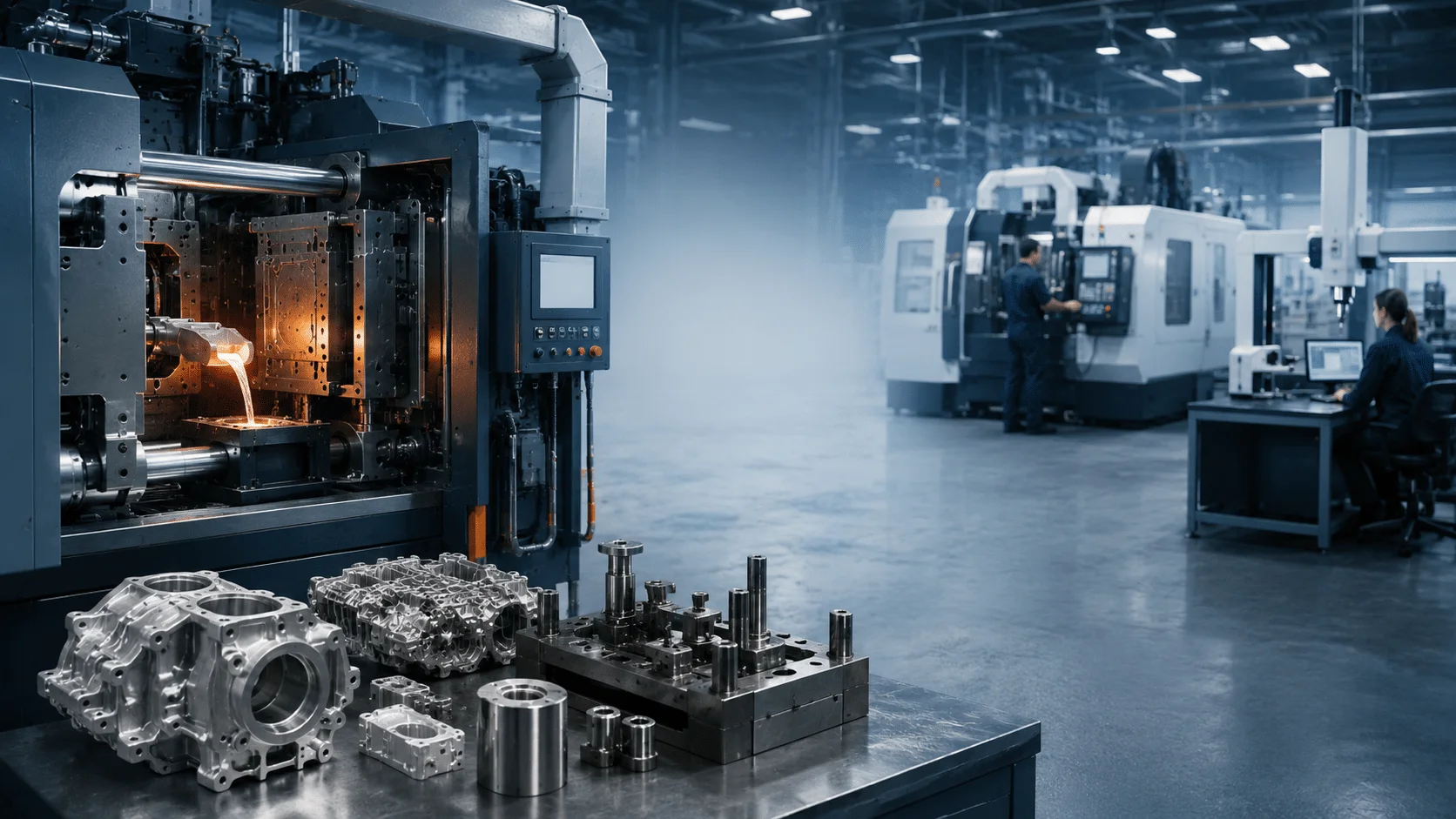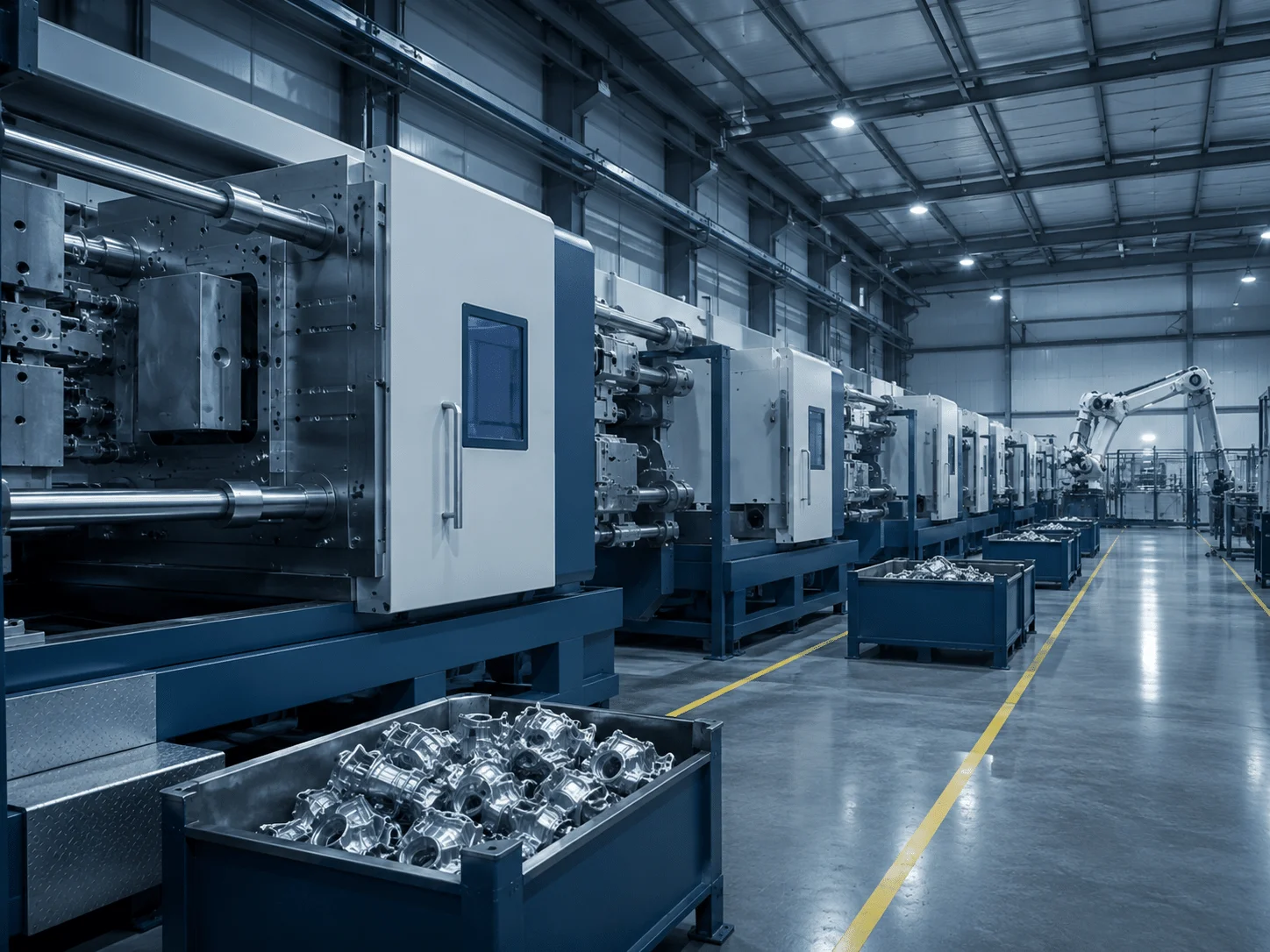
Porosity is one of the most common challenges in aluminum die casting. Air trapped inside the mold cavity can create internal pores, shrinkage defects and inconsistent mechanical performance.
High-vacuum die casting is designed to remove more air from the mold cavity before molten aluminum fills the tool. By reducing trapped gas, the process can improve casting density and lower the risk of internal defects.
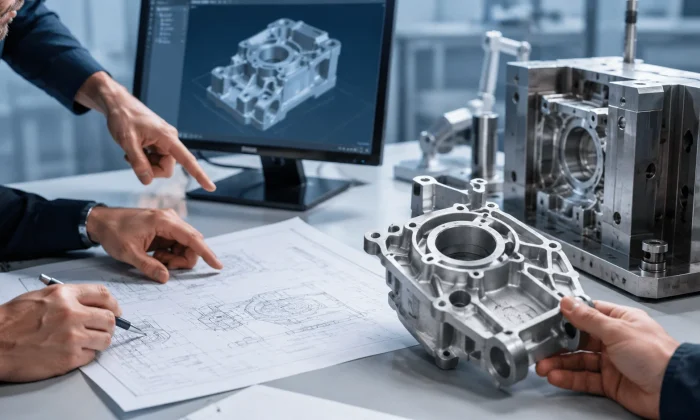
This is especially important for components with complex ribs, bearing locations, structural arms, mounting bosses or thin-wall sections. These features require stable metal flow and carefully controlled process parameters.
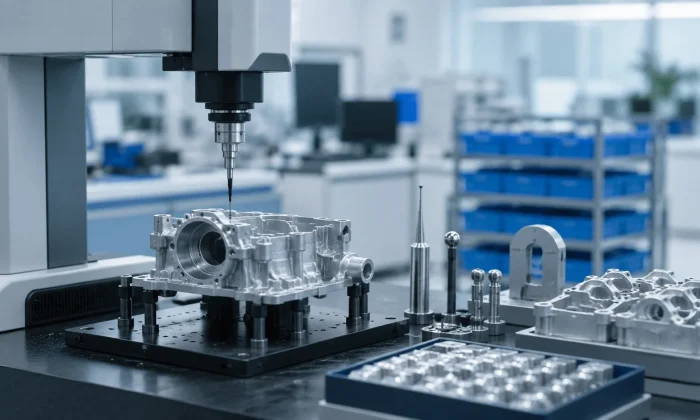
A more consistent casting also creates a better starting point for subsequent machining. When internal porosity is reduced, critical areas such as bearing seats, sealing surfaces and threaded holes can be machined with greater process stability.
However, vacuum equipment alone does not guarantee a good casting. Mold temperature, injection speed, pressure, venting design, aluminum quality and cycle control must also be managed carefully.
Before mass production, trial castings should be evaluated for dimensions, appearance and internal quality. Process parameters can then be adjusted and standardized for repeat production.
High-vacuum die casting is therefore not simply an equipment feature. It is part of a complete manufacturing system that combines mold engineering, process control, machining and inspection.
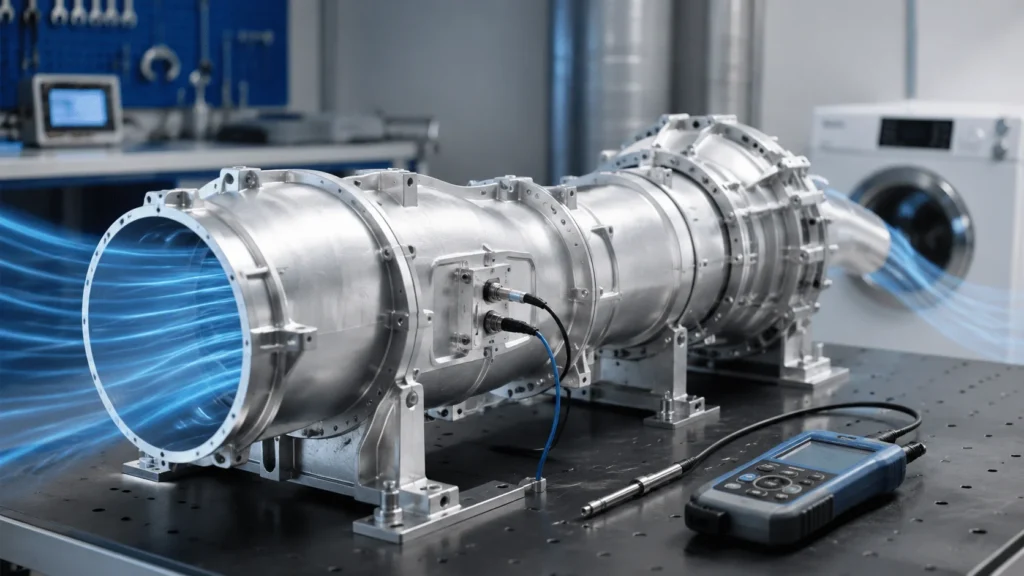
For customers sourcing aluminum housings, appliance components or load-bearing structures, this approach can help improve product consistency and reduce quality risks during assembly.