
Balance weights are used to control vibration, stabilize moving assemblies and improve the operating performance of appliances and industrial equipment. Two common options are PVC-coated balance weights and pressed-cast balance weights.
A PVC-coated balance block contains a dense internal weight material surrounded by a protective outer layer. The coating creates a cleaner external surface and can help isolate the internal material from moisture, contact damage and the surrounding equipment.
This structure is useful when the balance weight is installed close to wiring, plastic parts or painted surfaces. The coating may also reduce direct metal-to-metal contact during assembly.
Pressed-cast balance weights normally use a compact metallic structure. They are suitable for applications requiring a durable component with stable mounting features and efficient use of installation space.
The correct choice depends on target weight, installation geometry, environmental exposure, fastening method and cost requirements. Designers must also consider how the component will be handled during transportation and final assembly.
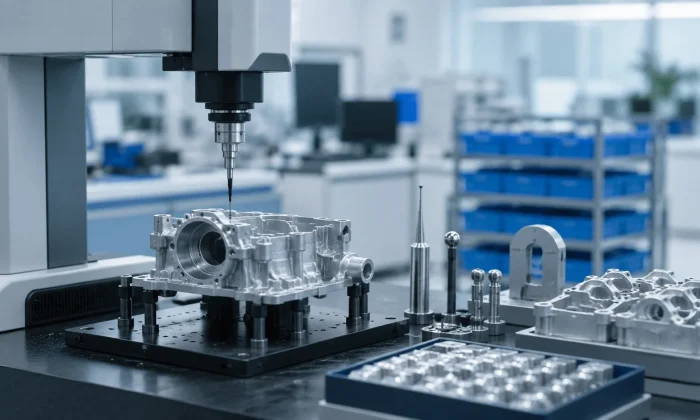
Weight consistency is critical. A balance block that varies from the specified mass may affect vibration performance. Production inspection should therefore include weight measurement, dimensional verification, mounting-hole inspection and appearance checks.
The company’s product range includes both coated and pressed-cast balance weights. Its process description also explains that high-density filling materials are used in molded balance components to help maintain weight and internal-density consistency.