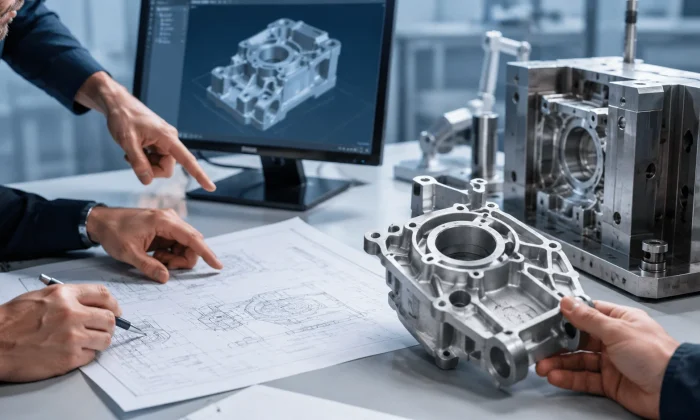
Bearing seats are among the most critical features found in aluminum housings, spider arms, motor end covers and appliance components. Their dimensions influence bearing fit, alignment, operating noise and service life.
The process begins with a stable machining reference. The casting must be positioned consistently so that the bearing bore remains aligned with related mounting surfaces and shaft features.
Machining may involve rough boring followed by a precision finishing operation. The roughing stage removes most of the allowance, while the finishing stage controls the final diameter, circularity and surface quality.
Tool condition must be monitored carefully. Worn tools can produce dimensional drift, poor surface finish or inconsistent bore geometry. Cutting parameters and coolant delivery should remain stable throughout the production batch.
Temperature can also affect measurement. Components should be measured under controlled conditions, particularly when tolerances are tight.
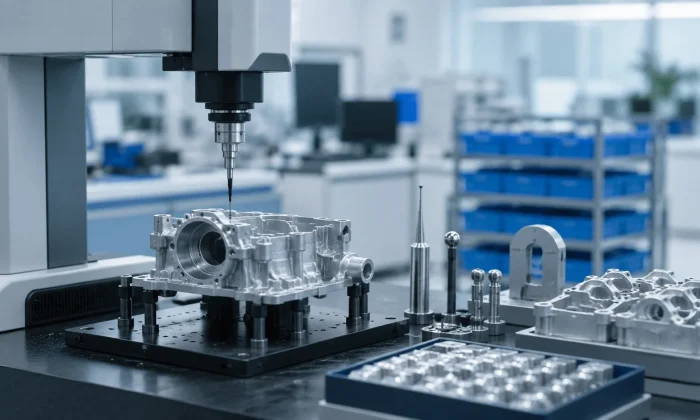
Inspection may include bore gauges, micrometers or coordinate measuring machines. Where several bores are related, concentricity and positional accuracy should be evaluated in addition to diameter.
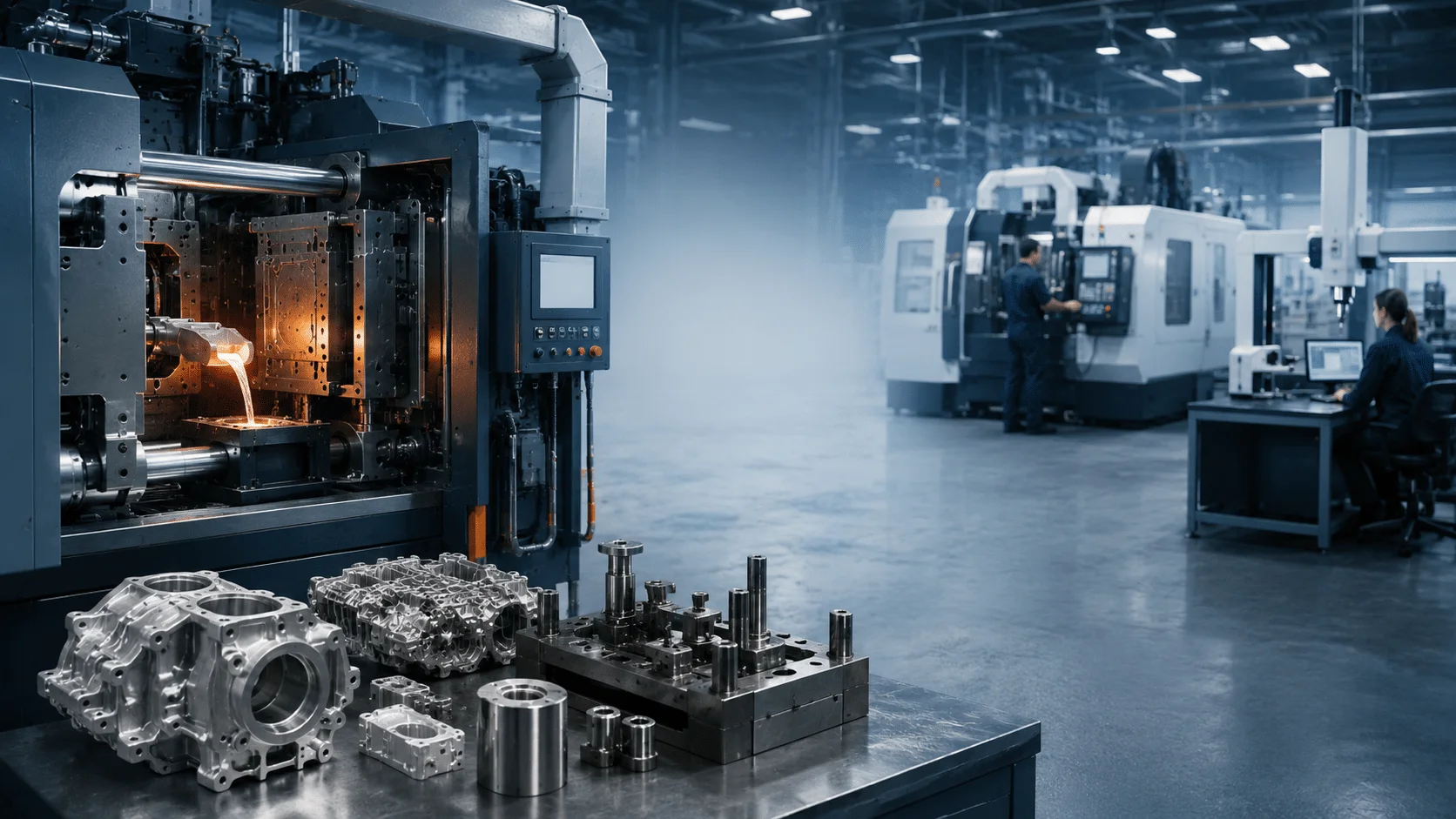
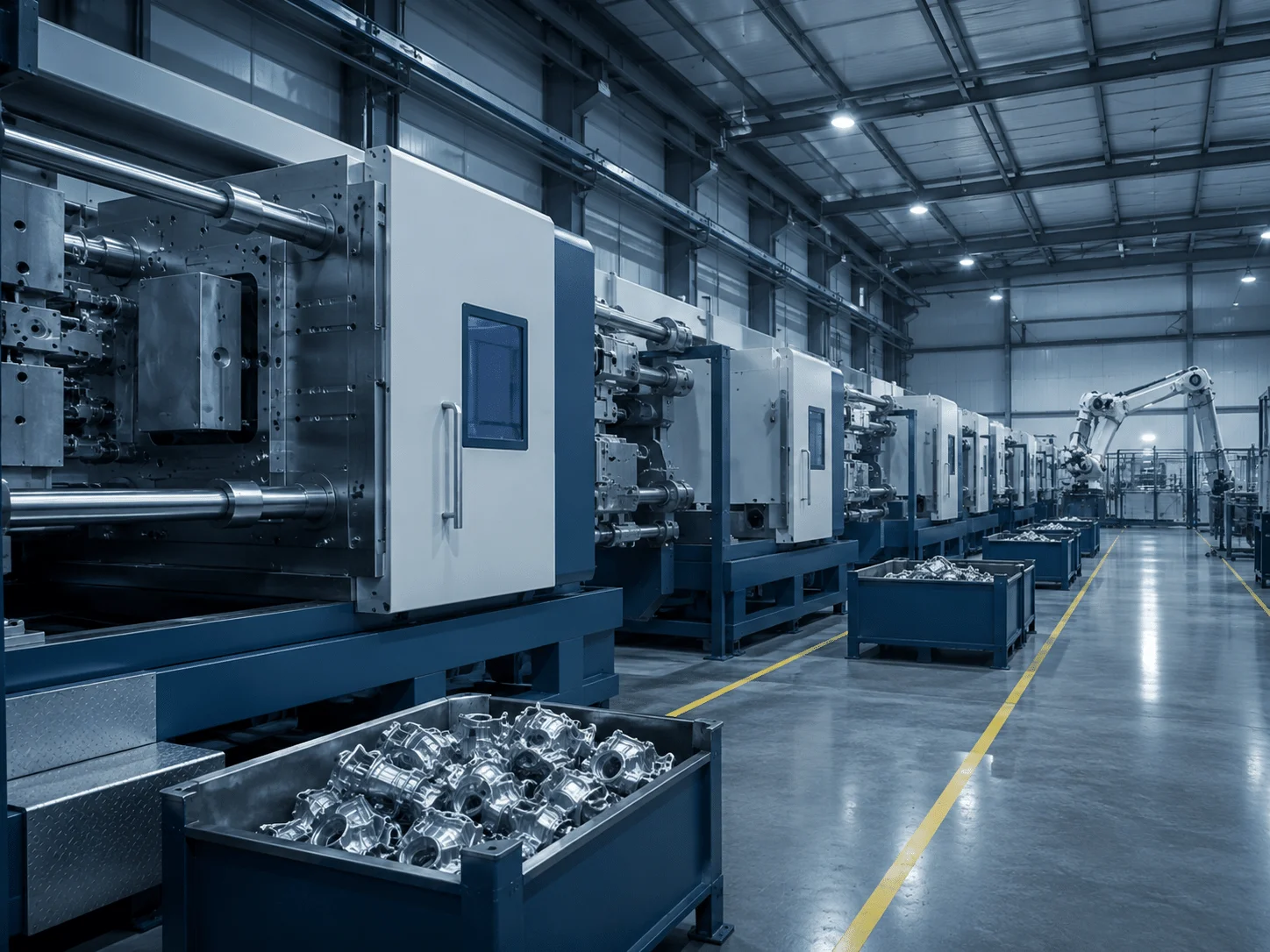
The company combines aluminum die casting, shaft machining and bearing-housing production, allowing related features to be controlled within a coordinated process. Its manufacturing documentation also notes the use of automated die-casting equipment and high-precision CNC machining, with selected product tolerances controlled to demanding levels.
A controlled combination of fixture design, tool management and dimensional verification helps ensure that bearing components assemble correctly and operate reliably.