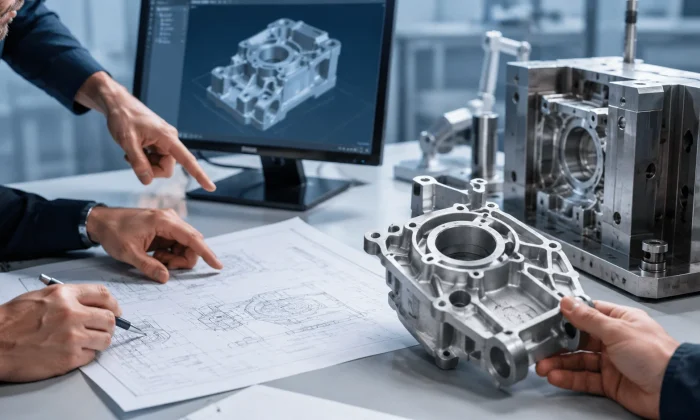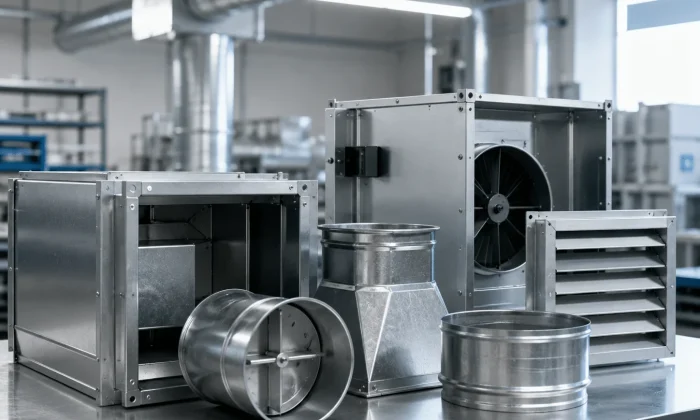
As customer projects grow in volume and complexity, manufacturing capacity must develop alongside them. Additional production space, broader equipment coverage and stronger process coordination are important for supporting long-term supply programs.
Capacity growth is not simply about installing more machines. Production planning, tooling management, material flow, machining capacity, inspection resources and employee training must develop together.
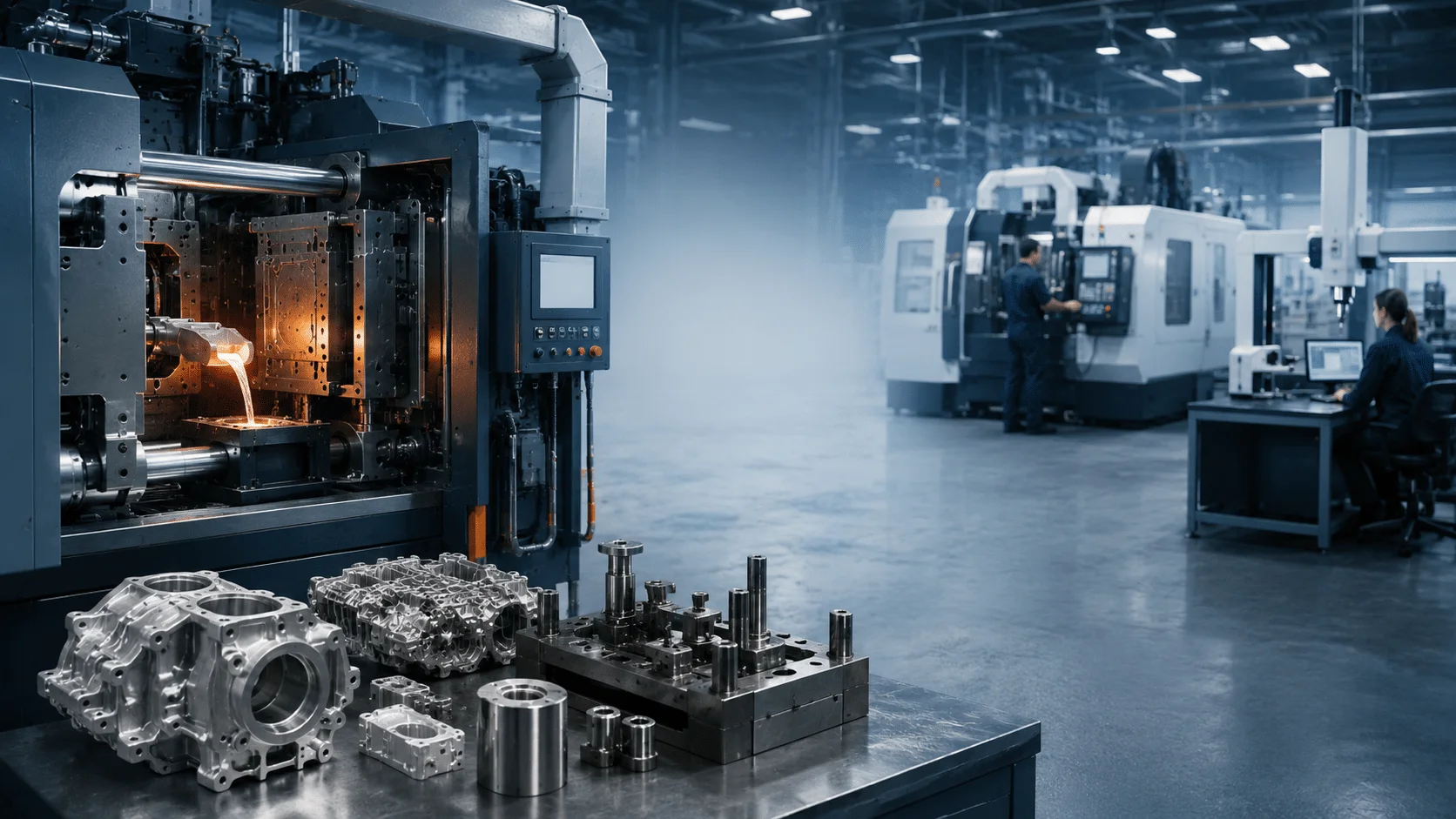
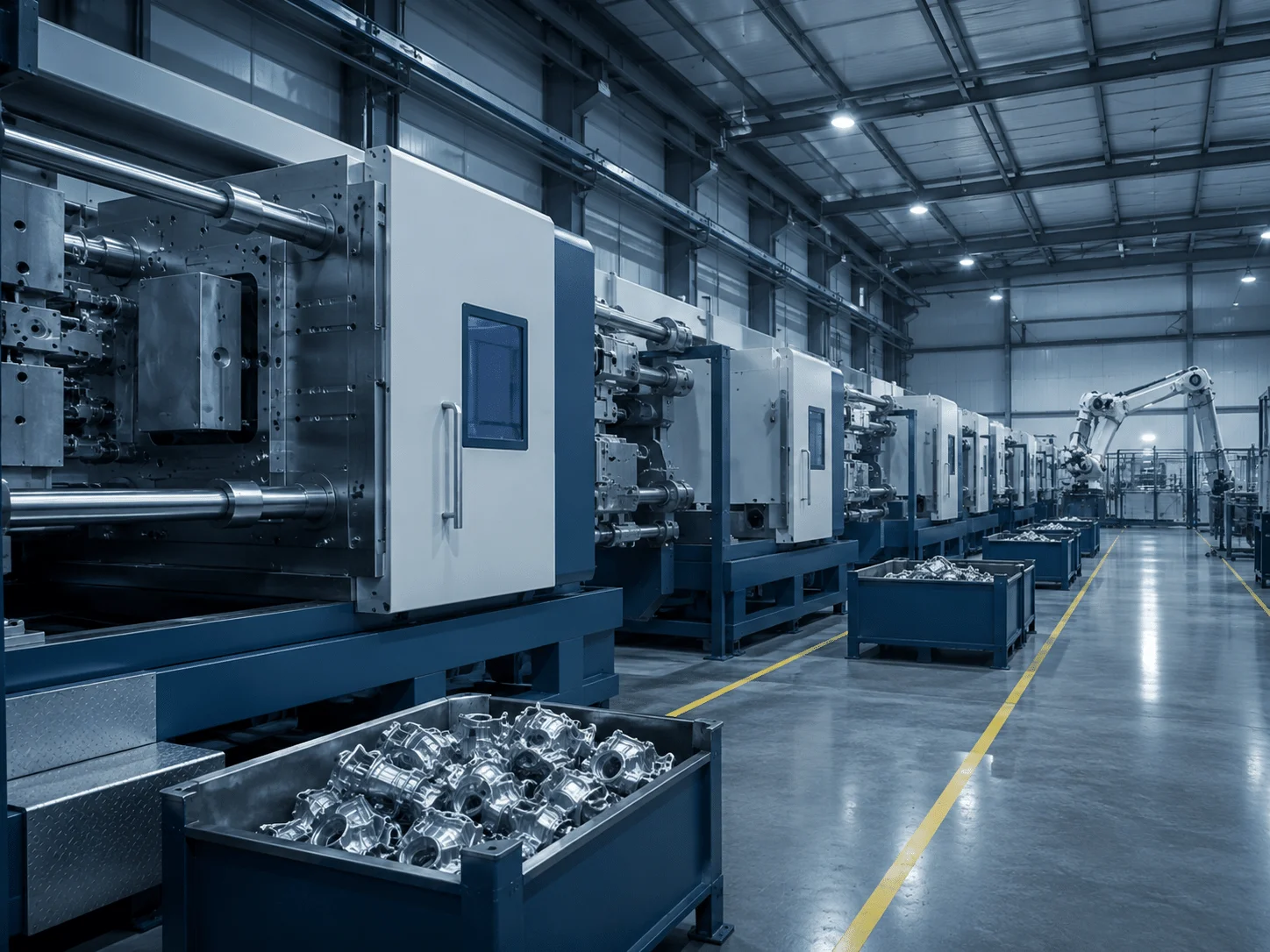
A wider die-casting machine range allows manufacturers to support components of different sizes and structural requirements. Smaller parts may require precise process control, while larger housings and structural castings need greater clamping force and mold capacity.
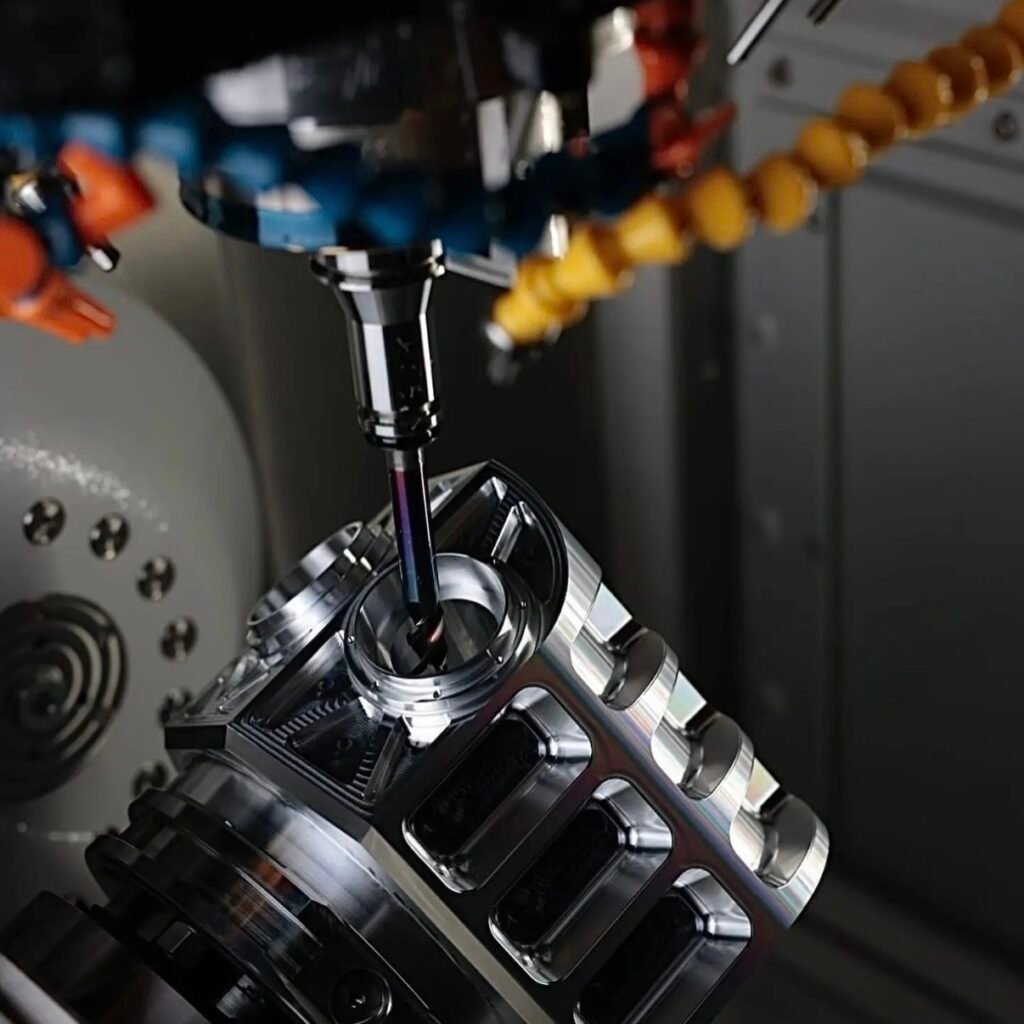
Machining resources must also match casting output. Without sufficient CNC capacity, cast components can accumulate between production stages and create unnecessary lead-time pressure.
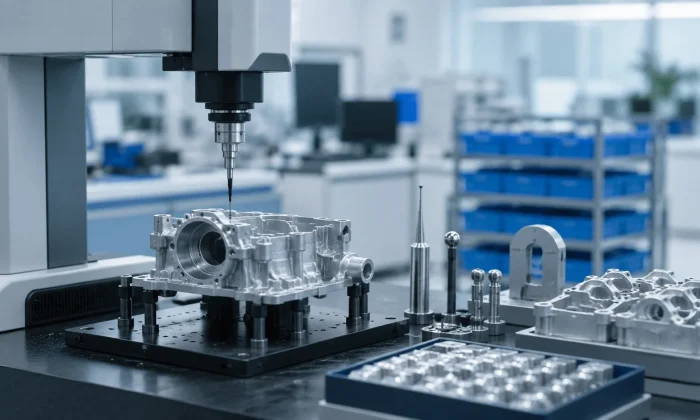
Quality equipment is another important part of expansion. Increased production volume requires sufficient inspection capacity to maintain first-piece approval, process checks and final verification.
Factory layout can further influence efficiency. Clearly separated production, inspection, semi-finished storage and mold-management areas help improve material flow and reduce handling risks.
The long-term objective of capacity expansion is to provide customers with more dependable project support. This includes stable repeat production, flexibility for new programs and better coordination from tooling development through final delivery.
By investing in equipment, production space and quality systems, manufacturers can prepare for larger and more technically demanding aluminum die-casting projects.